The Allure of Risk and Reward
Casino gambling thrives on the psychological interplay between risk and reward. This dynamic taps into the human instinct for excitement and the pursuit of financial gain. When individuals engage in gambling, they often experience a rush of adrenaline, akin to thrill-seeking behavior. The anticipation of possibly winning a large sum of money serves as a powerful motivating factor, urging players to continue betting despite the odds being stacked against them, especially in a fast withdrawal casino uk that enhances the overall experience. This enticing prospect creates an environment where the line between entertainment and obsession can easily blur.
The phenomenon of risk-taking is well-documented in psychology. It is often associated with the brain’s reward centers, which become activated during moments of high-stakes decision-making. The potential for winning amplifies emotional responses, making the experience incredibly engaging. Players might find themselves immersed in the atmosphere of the casino, where the vibrant lights, captivating sounds, and social interactions heighten their sense of euphoria, leading to an even greater desire to keep gambling. This engagement can make it challenging for individuals to recognize when their behavior is crossing into problematic territory.
This attraction to risk is further compounded by the concept of loss aversion, where individuals feel the pain of losses more acutely than they feel the joy of gains. This psychological hurdle can lead players to chase their losses, hoping to recoup what they’ve lost rather than walking away after a defeat. The fear of missing out on a potential win can reinforce this cycle, leading to more significant financial and emotional investments in gambling. Understanding how the allure of risk and reward operates is crucial to explaining why many find themselves drawn back to casinos time and again, often against their better judgment.
The Role of Cognitive Biases
Cognitive biases play a significant role in the decision-making processes of gamblers. One of the most prevalent biases is the illusion of control, where players believe they have more influence over the outcome of the games than they actually do. For example, a person playing a slot machine might feel that their timing or specific choices will somehow improve their chances of winning, despite the reality that these games are based on random number generators. This misplaced confidence can lead to persistent gambling behaviors, as players cling to the belief that they can control the uncontrollable.
Another crucial cognitive bias is the gambler’s fallacy, which occurs when individuals assume that past outcomes affect future results. A player might believe that if a particular number hasn’t come up in a roulette game for several spins, it is “due” to appear soon. This erroneous thinking can lead to increased betting, driven by a false understanding of randomness and probability inherent in gambling. Such misconceptions can skew a player’s judgment, prompting them to spend more money chasing after a win that is statistically unlikely to occur.
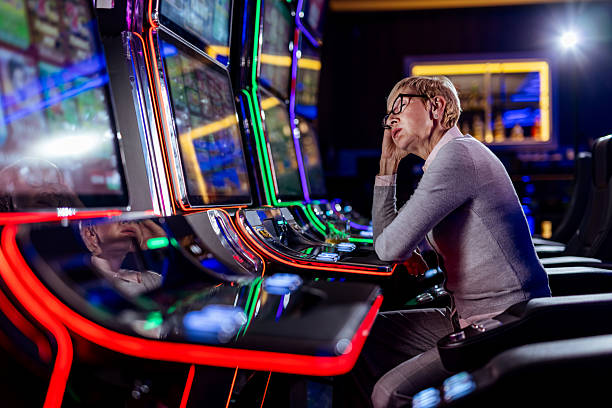
These biases not only impact how players approach their gambling strategies but can also lead to increased spending. A gambler who falls prey to the illusion of control may be more inclined to stick with a losing streak, convinced that their next bet will bring a significant payout. Recognizing these biases is essential for understanding the psychological underpinnings of casino gambling and its potential risks. By acknowledging these thought patterns, individuals may be better equipped to make rational decisions rather than being led astray by their cognitive distortions.
The Impact of Environment on Gambling Behavior
The environment of a casino plays a pivotal role in shaping the gambling experience. Casinos are designed to be visually and acoustically stimulating, created intentionally to prolong the time players spend inside. From the bright lights to the sounds of clinking coins and cheering crowds, every element is curated to elicit emotional responses that encourage continued play. This sensory overload can make it difficult for players to gauge how much time has passed or how much money they have spent, leading to a disconnect between their intentions and actions.
Moreover, the layout of a casino is meticulously planned to maximize exposure to gaming tables and machines. With the absence of windows and clocks, players often lose track of time, leading them to stay longer than they initially intended. The presence of other gamblers also influences individual behavior; when surrounded by others who are engaged in the thrill of gaming, an individual might feel more compelled to join in and invest more than they would otherwise. This social aspect, combined with the sensory environment, can create a perfect storm for impulsive gambling behavior.
This carefully constructed environment can contribute to the normalization of gambling behavior, where continuous exposure to the activity fosters a sense of acceptance and curiosity. As players observe others winning, they may feel encouraged to try their luck, further complicating their relationship with gambling. Understanding how environmental factors impact behavior is crucial for grasping the psychology behind casino gambling. Recognizing these influences allows individuals to be more aware of their surroundings and the role it plays in their gambling decisions.
The Social Dynamics of Gambling
Gambling is not solely an individual endeavor; it often involves a social component that significantly affects a player’s experience. Social interactions can enhance the enjoyment of gambling, providing a sense of camaraderie and excitement while playing with friends or family. Group dynamics can lead to shared decision-making processes and collective betting strategies, creating a communal atmosphere that amplifies the thrill. This social aspect can make the experience more enjoyable, but it can also mask problematic behaviors that may arise.

Additionally, the social acceptance of gambling can perpetuate continued engagement in the activity. In many cultures, gambling is viewed not just as a form of entertainment but as a social norm, where gatherings often revolve around games or events. The desire to fit in or participate in these social settings can entice individuals to gamble, even if they might not be inherently interested in the activity itself. This pressure can lead to increased gambling frequency and spending, especially among young adults who are keen to socialize and seek validation from their peers.
Conversely, social dynamics can also lead to negative consequences, including peer pressure and the encouragement to gamble beyond one’s means. Individuals may feel compelled to keep up with friends who are betting larger amounts, resulting in financial strain or compulsive gambling behaviors. Understanding these social dynamics is essential for comprehensively grasping the multifaceted psychological factors at play in casino gambling. By recognizing these influences, individuals can become more mindful of their gambling habits and make choices that align with their values and financial well-being.
Conclusion: Understanding Casino Gambling Through Psychology
The exploration of the psychology behind casino gambling reveals a complex interplay of various factors, including risk and reward dynamics, cognitive biases, environmental influences, and social interactions. Understanding these psychological mechanisms is essential for recognizing why so many are drawn to gambling and how they may unintentionally develop unhealthy behaviors. By delving into these aspects, we gain valuable insights into the motivations behind gambling and the potential risks involved.
Ultimately, as the gambling industry continues to evolve, awareness of these psychological elements can aid individuals in making informed choices about their gambling activities. Knowledge empowers players to recognize their patterns of behavior and encourages a healthier relationship with gambling, ensuring they can enjoy it as a form of entertainment rather than a source of distress. This understanding can lead to more responsible gambling practices and support those who may need assistance in their gambling habits.
For those looking to better understand the complexities of gambling, various resources and communities are available that focus on responsible gaming practices. Engaging with informative platforms can provide valuable insights and tools to navigate the intricacies of gambling psychology. By fostering awareness and encouraging open dialogue about gambling behaviors, individuals can cultivate a healthier mindset towards gaming, ensuring that it remains an enjoyable pastime rather than a source of anxiety or distress.

